
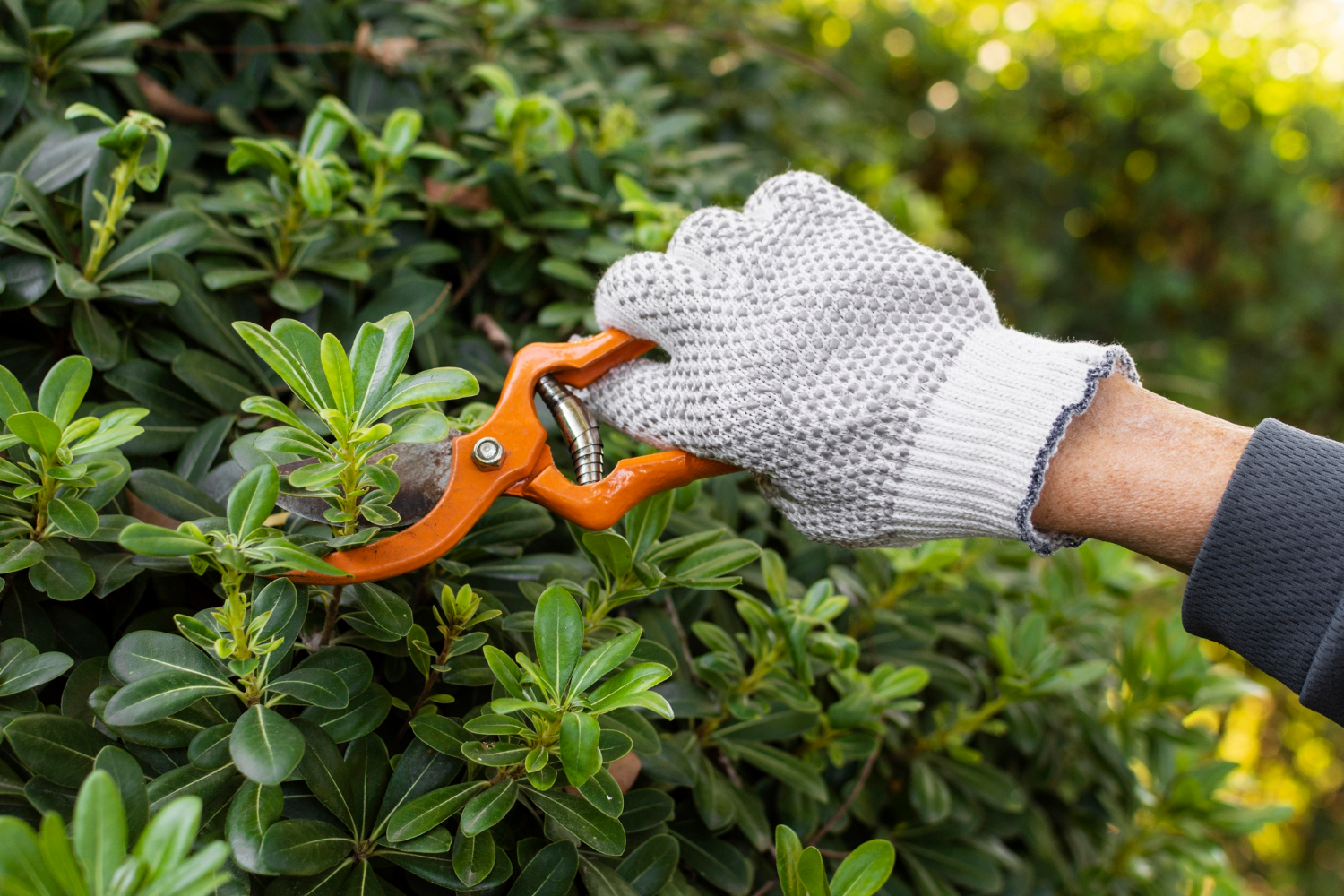
Proper pruning is essential for maintaining healthy, attractive trees and shrubs. But timing matters—cutting at the wrong time can limit growth or even damage your plants. Here’s how to get it right.
Winter: Ideal for Most Trees
Late winter is often the best time to prune many trees. With plants dormant, it’s easier to see structure and remove dead or weak branches. This promotes strong growth in spring and reduces the risk of disease.
Need expert help? Learn more here: Tree Trimming Services
Spring: Be Selective
Early spring is great for light pruning, especially for shaping shrubs. However, avoid cutting spring-flowering plants (like azaleas or lilacs) before they bloom, or you’ll lose those seasonal flowers.
Explore seasonal maintenance options: Landscaping Services
Summer: Control Growth
Summer pruning helps manage overgrowth and maintain your landscape’s appearance. It’s also a good time to remove damaged or diseased branches that become visible after full foliage develops.
Fall: Proceed with Caution
Pruning in fall is generally discouraged. Cuts heal slower, making plants more vulnerable to disease and harsh weather. Focus instead on cleanup and preparation for winter.
The Bottom Line
The best pruning schedule depends on the type of plant and your goals. When in doubt, working with professionals ensures your trees and shrubs stay healthy year-round while enhancing your property’s curb appeal.